Gaming Industry Leaders Confront Prediction Market Expansion at G2e 2026
Lars Frank · Oct 25, 2026
Gaming Industry Leaders Confront Prediction Market Expansion at G2e 2026
Event Overview and Key Statements
At the annual Global Gaming Expo held in Las Vegas during early October 2026, American Gaming Association CEO Bill Miller characterized the organization's operations as existing on "war-time footing" in response to the accelerating expansion of prediction market betting platforms. Industry executives from major casino operators joined Miller on a "state of gaming" panel where they examined competitive pressures arising from these platforms while also addressing several recent legal and regulatory developments that have affected the sector.
Panel participants reviewed court decisions from the 6th and 9th Circuits that resulted in losses for prediction market operators along with an ongoing lawsuit filed by New York authorities against Polymarket and proposals from the Commodity Futures Trading Commission aimed at tightening rules around event contracts. These elements formed the central discussion points as attendees considered how traditional gaming businesses might respond to shifting market dynamics.
Panel Discussion Highlights
Executives representing prominent casino companies outlined the scale of prediction market growth and its potential effects on existing operations during the panel session. They connected this expansion to broader questions about market access and consumer engagement while noting that recent judicial outcomes have created new variables for companies operating in this space. The conversation moved between descriptions of current platform activities and examinations of how regulatory proposals could alter the environment for event-based wagering products.
Observers at the expo noted that the tone of the discussion reflected the speed at which prediction markets have developed in recent years. Panelists referenced specific court rulings that rejected certain legal arguments advanced by prediction market firms and they also described the New York lawsuit as an example of state-level enforcement actions targeting platforms that operate without full state authorization. These points were presented alongside information about the CFTC's draft rules intended to limit exceptions previously available for event contracts.
Regulatory and Legal Developments Covered
The 6th and 9th Circuit decisions represented significant moments in ongoing litigation involving prediction market platforms and panel speakers explained how those rulings have influenced compliance strategies across the industry. Participants discussed how the outcomes have prompted companies to reassess their operational footprints in various jurisdictions and how similar cases might proceed in other circuits. The New York action against Polymarket received particular attention as an illustration of state attorneys general exercising oversight over platforms that facilitate event contracts without obtaining necessary licenses.
CFTC proposals to address perceived loopholes in event contract regulations formed another major topic. Panelists reviewed the agency's stated goals of increasing transparency and reducing opportunities for unauthorized activity and they considered the potential timeline for any final rules that might emerge from the current comment period. Attendees also examined how these federal-level changes could interact with existing state regulatory frameworks that govern different forms of gaming and betting.
Industry Context and Market Observations
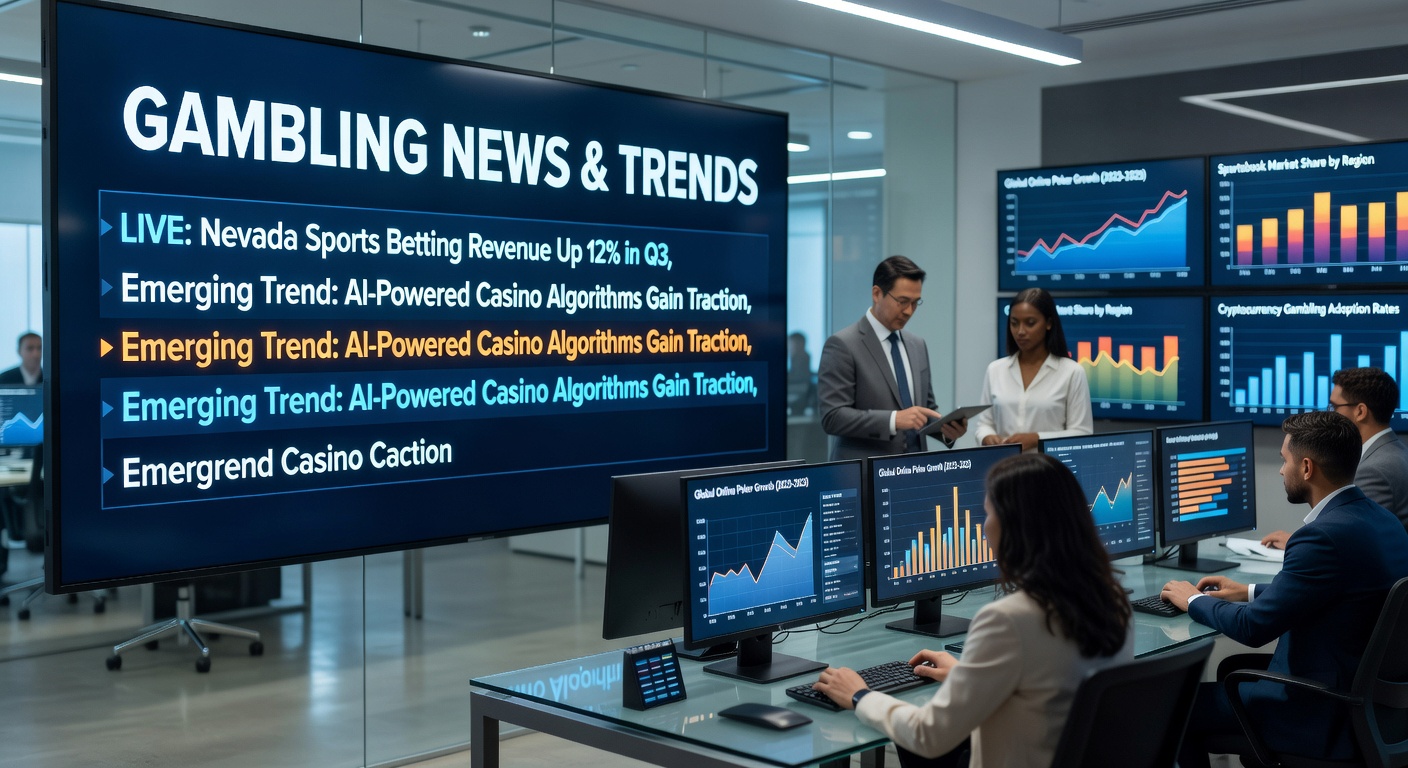
Those who attended the Global Gaming Expo sessions reported that conversations extended beyond the formal panel into informal discussions about technology infrastructure and data analytics capabilities that traditional operators have developed over time. Several executives described ongoing investments in mobile platforms and loyalty programs as part of efforts to maintain engagement levels amid new entrants in the betting space. Data shared during the event indicated continued growth in overall gaming revenue while highlighting differences in performance across product categories.
Representatives from the American Gaming Association emphasized the organization's role in coordinating responses to regulatory proposals and in supporting member companies as they navigate evolving legal landscapes. Miller's characterization of operations on "war-time footing" was referenced by multiple speakers who connected it to increased monitoring of legislative activity at both state and federal levels. The association's public materials from the period around the expo detail these coordination efforts and outline areas of focus for advocacy work.
Looking Ahead from the Expo
Following the conclusion of the "state of gaming" panel, expo organizers scheduled additional sessions that examined technology trends and consumer behavior data relevant to the topics raised earlier. Participants left the event with updated information about the status of ongoing litigation and regulatory proposals that could shape the competitive environment in coming months. The discussions at G2e 2026 provided a snapshot of how established gaming companies are tracking developments in prediction markets while preparing responses aligned with existing legal and licensing requirements.
Conclusion
The Global Gaming Expo in Las Vegas during October 2026 served as a forum for industry leaders to address the intersection of prediction market growth and traditional gaming operations. Through statements from American Gaming Association leadership and contributions from casino executives, the event highlighted specific court outcomes, state enforcement actions, and federal regulatory initiatives that continue to influence the sector. The information presented offers a factual record of the positions and observations shared by participants at that time.